

Kidney stone pain? Don’t suffer in silence - Find relief fast!
Kidney stone pain is intense and sudden, requiring prompt relief and clear steps for management.
If you or a loved one is experiencing the agonising throes of a passing kidney stone, know that you do not have to endure it in silence.
To quickly manage kidney stone pain and ensure safe passage, use strategies ranging from immediate home measures to targeted medical interventions. While passing a stone is often inevitable, effective methods can help provide fast relief.
Dr Muthana Alrawi’s primary objective is to equip you with the knowledge to manage kidney stone pain effectively as you await specialist care, not just to treat the stones.
Use this guide to understand the pain, find immediate relief, and take proactive steps toward a stone-free future.
Where is the kidney stone pain area?
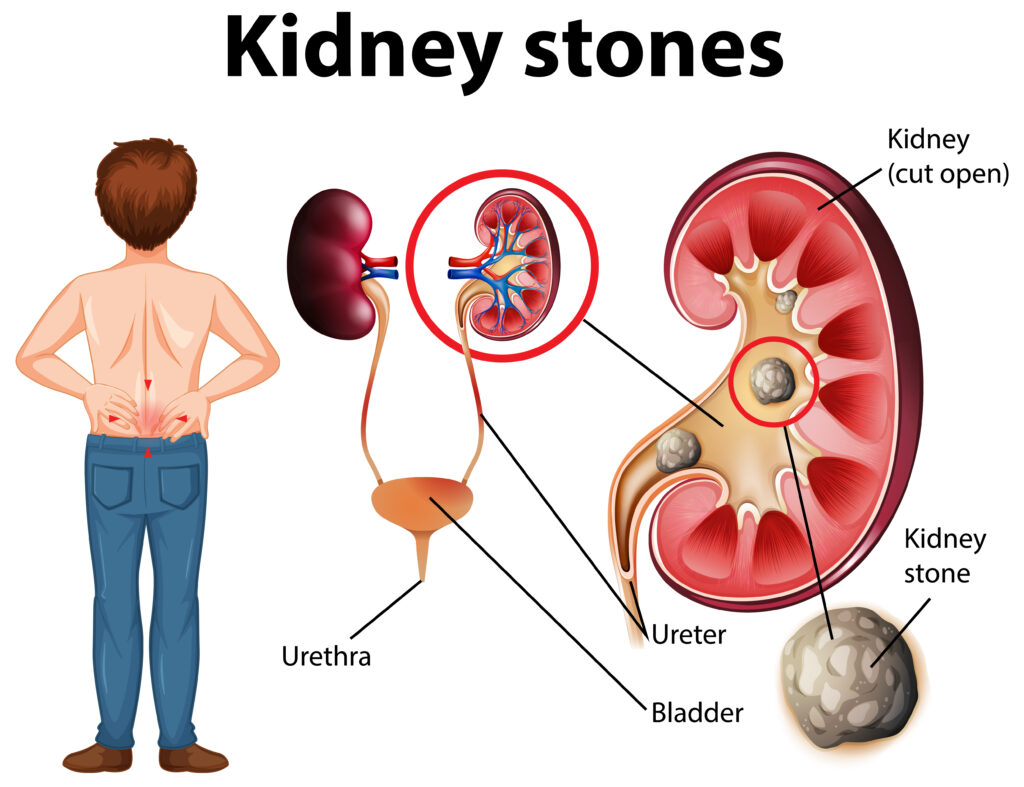
To effectively treat the pain, it is helpful to understand its origin. Kidney stones are solid masses formed from crystallized minerals and salts (like calcium, oxalate, or uric acid) within the kidney.
Pain intensifies dramatically as the stone transitions from being static in the kidney to moving into the ureter, the narrow passage that descends toward the bladder.
This movement causes inflammation, pressure, and sometimes obstruction, resulting in renal colic.
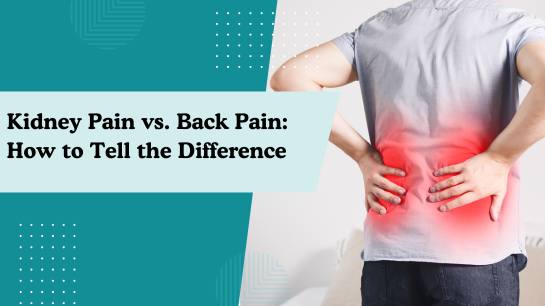
The classic kidney stone pain area begins as a sudden, intense, and sharp discomfort localised in the flank or lower back.
As the stone travels, this pain often radiates forward to the side, abdomen, and groin. This pain is typically characterised by:
- Sudden onset and intense severity.
- Fluctuating nature (coming in waves).
- Accompanied by symptoms like nausea and vomiting.
- Painful or frequent urination, sometimes with blood in the urine (hematuria).
If you experience these symptoms, seeking medical confirmation is crucial to rule out other serious conditions.
How to stop kidney stone pain immediately?
When the pain hits, the priority is to alleviate the suffering until the stone passes or medical treatment is administered. Fortunately, several proven strategies can offer fast kidney stone pain relief.
1. Targeted pain medication
For most patients, medication is the quickest way to find relief. Your doctor can recommend or prescribe the best option based on your pain level and overall health. Based on your pain severity and medical history, your physician will recommend or prescribe the most suitable treatment options.
Over-the-Counter (OTC) Pain killers: Non-steroidal anti-inflammatory drugs (NSAIDs) are generally recommended as the first option. A suitable pain killer for kidney stone relief includes:
- Ibuprofen (Advil, Motrin): This is often preferred because it not only masks the pain but also helps reduce inflammation in the ureter, which can theoretically facilitate the stone’s movement.
- Naproxen (Aleve): Another effective NSAID.
- Prescription Alpha-Blockers: For certain patients, a doctor may prescribe a medication like tamsulosin (Flomax).
These drugs, originally developed for prostate issues, work by relaxing the muscles in the ureteral wall. This relaxation widens the ureter, making it easier for the stone to pass and significantly easing the pain.
2. Kidney stone pain relief at home: The power of heat and water
While medication works internally, you can utilise simple, effective measures to achieve kidney stone pain relief at home:
Heat therapy: Applying a heating pad, hot water bottle, or warm compress to your back or side can work wonders.
The warmth works by relaxing the local muscles, which subsequently diminishes the spasms linked to renal colic, offering a temporary yet perceptible level of comfort. Each application should last between 20 and 30 minutes. A warm bath can also help loosen up your body and soothe discomfort.
Hydration, Hydration, Hydration: Drinking water is not just a treatment; it’s a necessary action to help the stone move. One of the most critical steps in how to stop kidney stone pain immediately is to start flushing your system.
Ensure you consume between 2 and 3 litres of water each day, except when fluid intake is medically restricted. This dilution of urine helps reduce the concentration of stone-forming minerals and builds pressure to push the stone along.


What helps pass kidney stones?
Once the pain is managed, the next step is encouraging the stone to leave your body. The time it takes for a stone to pass depends entirely on its size and location.
While many people search for how to pass a kidney stone in 24 hours, the reality is that stones usually take 4 to 6 weeks to pass from the ureter into the bladder, although smaller stones may pass much faster. Here is what helps pass kidney stones safely:
- High fluid intake: As mentioned, water is your primary tool. Maintaining a strong, consistent flow of dilute urine is essential to keep the stone moving.
- Movement and activity: Staying active, even with light walking or gentle movement, can help. Gravity and body shifts can sometimes nudge the stone along the urinary tract, speeding up the passage process. Avoid sitting or lying in one position for extended periods if possible.
- Strain your urine: To confirm the stone has passed and to allow your doctor to analyse its composition, you should strain your urine using a special filter provided by your physician.

Home remedies for kidney stones: Utilising citrate
Certain natural remedies can support the stone-passing process by altering the chemistry of your urine:
Lemon juice (Citrate therapy): Lemonade and other citrus juices contain citrate (citric acid salt). Citrate actively binds with calcium present in the urine, effectively reducing the calcium available for new stone formation.
It also helps increase your urine pH, which can be beneficial for those with uric acid or calcium stones. Try mixing four fluid ounces of lemon juice (about ½ cup) into your daily water intake. Choose sugar-free options, as high sugar intake can increase the risk of stone formation.
Apple cider vinegar (ACV): Some people find relief by drinking a mix of 1 tablespoon of ACV in a glass of water once or twice a day.
ACV contains acetic acid, which may help break down kidney stones. Always dilute ACV heavily, as it is very acidic and can upset your stomach if consumed in excess.
Herbal teas: Certain traditional herbal diuretics, such as Dandelion Root Tea or the supplement Chanca Piedra (“Stone Breaker”), are used to encourage diuresis and help flush the system. Always consult with Dr Muthana Alrawi before adding herbal supplements to your regimen.
Long-term defence: Six easy ways to prevent recurrence
Unfortunately, passing one kidney stone gives you a high chance of passing another.
Prevention requires personalised lifestyle changes, ideally guided by a 24-hour urine collection test to determine your specific stone type and risk factors. Here are the cornerstones of long-term kidney stone prevention:
Drink plenty of fluids: This is always the number one rule.
Maintain adequate dietary calcium: Contrary to popular belief, you should not cut out calcium.Consume the recommended 1,000–1,200 mg of calcium daily from food (like dairy, beans, or yoghurt) and eat calcium-rich foods with your meals. This allows the calcium to bind to oxalates in your intestine, preventing them from reaching the kidney.
Eat plenty of fruits and vegetables: A plant-rich diet, like the DASH or Mediterranean diet, is protective because these foods contain inhibitors like potassium and magnesium.
Watch your sodium intake: A significant intake of sodium through your diet drives up calcium levels in your urine. Limit your total daily sodium intake to help reduce the risk of stone formation.
Limit animal protein: Excessive intake of animal protein (meat, poultry, eggs, seafood) can increase uric acid and calcium levels in the urine, raising the risk of stones.
Avoid certain high-oxalate foods (If necessary): Limiting foods such as spinach, almonds, and chocolate, which are extremely high in oxalate, may be recommended by your physician if you are susceptible to calcium oxalate stones. This is always based on a personalised dietary assessment.
The Role of Dr Muthana Alrawi in Treating All Types of Kidney Stone Sizes
While home and over-the-counter methods can provide immediate relief, they are temporary solutions. If left untreated, kidney stones can progress to serious medical issues, including dangerous UTIs and compromise to kidney function.
Seek immediate medical attention from Dr Muthana Alrawi if you experience any of the following:
- Persistent severe pain that is unbearable and not relieved by prescribed medication.
- Fever and chills (signs of a dangerous infection).
- Persistent nausea or vomiting that prevents you from keeping down fluids.
- Inability to urinate, even when you feel the urge (a sign of complete obstruction).
Dr Muthana Alrawi utilises the latest diagnostic imaging and treatment techniques, including non-invasive treatments such as Extracorporeal Shock Wave Lithotripsy (ESWL) and minimally invasive procedures like Ureteroscopy, to provide effective and lasting relief.
Fast relief for kidney stones starts with quick action and expert guidance. Book an appointment now.